
Have you ever walked into a building and noticed how crisp and clear every sound felt? Or perhaps you’ve experienced the opposite—a space where conversations become muddled and echoes bounce endlessly off hard surfaces? What makes the difference between these two experiences, and why are architects increasingly turning to innovative solutions to control sound?
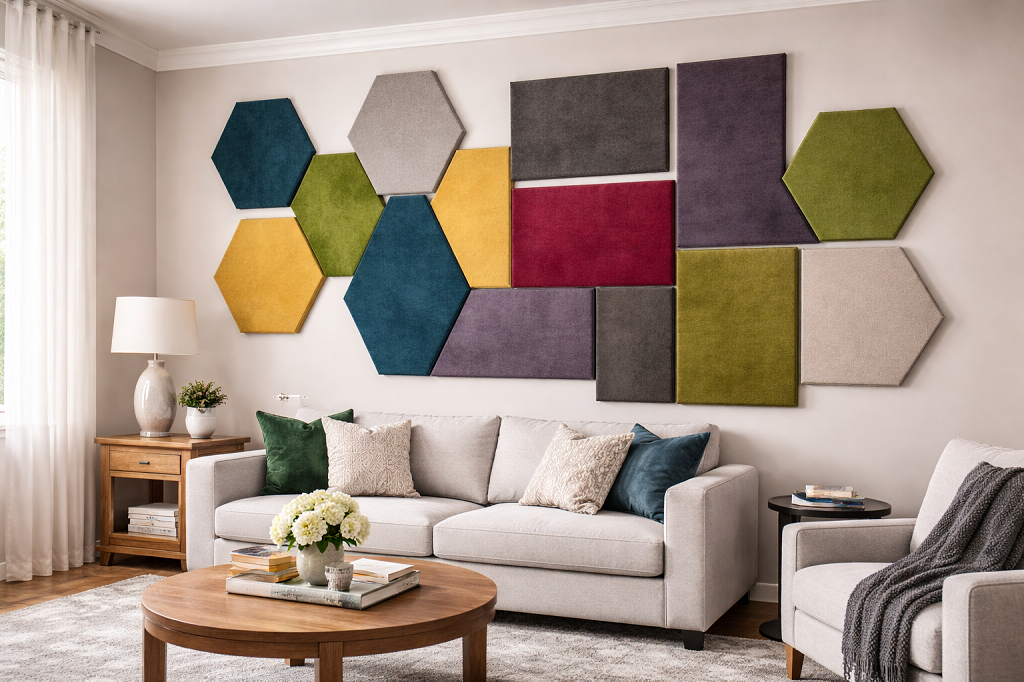
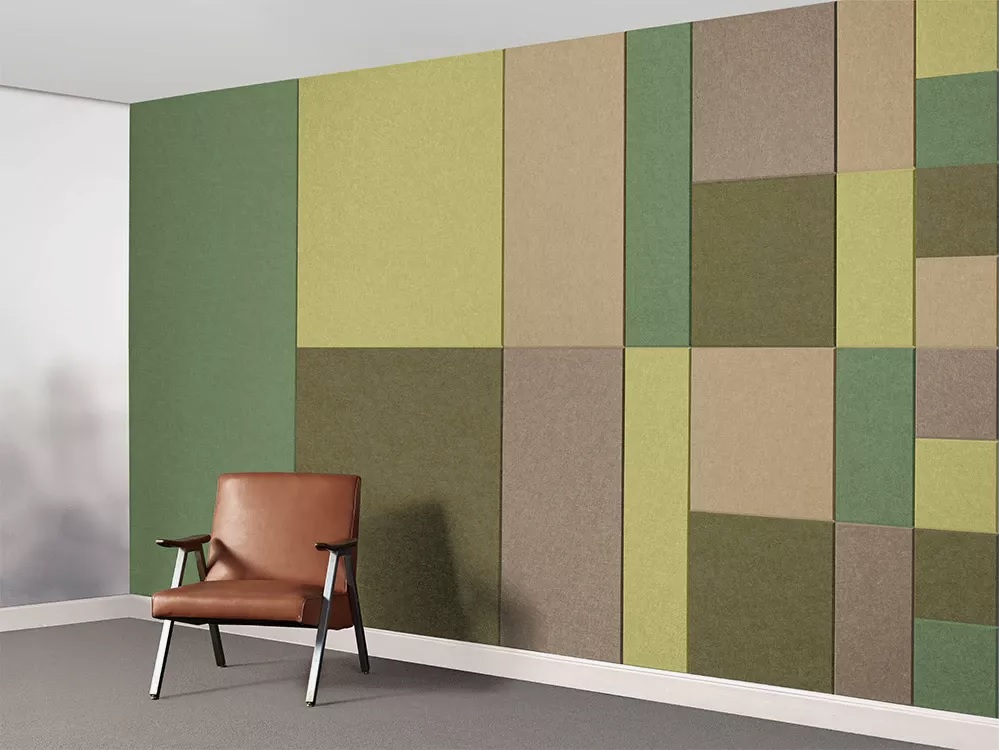
Flock coated acoustic panels have become a gamechanger in contemporary building design. These panels feature a velvet-like surface created by electrostatically applying short fibres to a substrate. The result? A soft, textured finish that not only looks stunning but also absorbs sound waves effectively. Unlike traditional acoustic treatments that can appear industrial or uninspiring, flock coated panels offer architects the freedom to create visually appealing spaces without compromising on acoustic performance.
In this comprehensive guide, we’ll explore the top ten applications of flock coated acoustic panels across a wide range of architectural settings. From concert halls to hospitals, schools to homes, you’ll discover how these versatile panels are transforming the way we experience sound in built environments. Whether you’re an architect, interior designer, or simply curious about acoustic design, this article will give you valuable insights into why these panels have become essential in modern construction—and how choosing a perfect flock coated acoustic panels can make a meaningful difference in both performance and aesthetics.
Auditorium Acoustic Panels: Creating Perfect Sound Environments
How Do Auditorium Acoustic Panels Improve Sound Quality?
When it comes to performance spaces, sound quality can make or break the experience. Auditorium acoustic panels work by absorbing excess sound energy, reducing reverberation times, and eliminating unwanted echoes. This creates clarity that allows audiences to hear every note and word without distortion.
Flock coated panels excel in these settings because their textured surface increases the effective absorption area. The tiny fibres trap sound waves more efficiently than smooth surfaces. Plus, they can be manufactured in virtually any colour, allowing designers to match existing décor or create bold visual statements.
Design Considerations for Large Performance Spaces
Large venues present unique challenges. The acoustic wall section must be carefully planned to balance absorption with reflection. Too much absorption creates a “dead” sound, while too little leads to muddiness. Australian performing arts centres, like those in Melbourne and Sydney, often combine flock coated panels with reflective surfaces to achieve optimal acoustics. The acoustic panel detail drawing for these projects typically shows panels positioned strategically at first reflection points and rear walls.
Curved Acoustic Panels: Blending Form with Function
What Are the Benefits of Curved Acoustic Panels in Architecture?
Straight lines aren’t always the answer. Curved acoustic panels offer something special—they diffuse sound waves while maintaining absorption properties. This combination prevents flutter echoes and creates a more natural listening environment.
From a design perspective, curved panels add visual interest and movement to interiors. They can follow the contours of ceiling domes, wrap around columns, or create flowing feature walls. The flexibility of flock coating means these curves maintain their luxurious texture throughout.
Applications in Contemporary Australian Buildings
Australian architects have embraced curved acoustic panels in projects ranging from university lecture theatres to corporate headquarters. The acoustic panels design in Brisbane’s Gallery of Modern Art, for instance, demonstrates how curves can enhance both aesthetics and acoustics simultaneously. These installations prove that functional requirements needn’t limit creative expression.
Acoustic Wall Section Design in Commercial Spaces
Understanding Acoustic Wall Detail for Office Environments
Open-plan offices have become standard, but they come with acoustic challenges. The acoustic wall detail in modern workplaces must address speech privacy, concentration, and comfort. Flock coated panels mounted on partition walls or as ceiling baffles help absorb conversational noise.
The key lies in strategic placement. Panels positioned near workstations create localised quiet zones. Meanwhile, panels in corridors and breakout areas prevent sound from travelling throughout the building.
How Do Acoustical Panels for Walls Reduce Workplace Noise?
Acoustical panels for walls work by converting sound energy into tiny amounts of heat through friction within the panel material. The flock coating enhances this process while providing a professional appearance suitable for corporate environments. Studies show that properly treated offices see productivity improvements of up to 15%—a compelling reason for businesses to invest in quality acoustic solutions.
Acoustic Panels Design for Educational Facilities
Creating Optimal Learning Environments
Students learn best when they can hear clearly. Background noise and poor acoustics have been linked to reduced comprehension and increased stress among learners. Architectural acoustic panels in classrooms address these issues by creating focused, comfortable spaces.
Flock coated panels are particularly suitable for schools because they’re durable and easy to clean. The soft surface also reduces injury risk compared to hard wall finishes—an important consideration in environments with energetic children.
Are Acoustic Panels Suitable for Schools and Universities?
Absolutely. From primary schools to university lecture halls, acoustic panels design has become integral to educational architecture. Australian institutions like the University of Technology Sydney have incorporated extensive acoustic treatments into their learning spaces. The investment pays dividends through improved student outcomes and teacher satisfaction.
Architectural Acoustic Panels in Healthcare Settings
Why Is Acoustic Design Architecture Critical in Hospitals?
Hospitals present some of the most demanding acoustic challenges. Patients need quiet for recovery, staff need to communicate clearly, and medical equipment generates constant background noise. Acoustic design architecture in healthcare must balance these competing requirements.
Flock coated panels offer hygienic solutions when specified with antimicrobial treatments. They can be integrated into headwalls, corridor ceilings, and waiting areas to create calmer environments.
Privacy and Patient Wellbeing Considerations
Speech privacy is crucial in healthcare. Acoustical wall panels help prevent sensitive conversations from being overheard, protecting patient confidentiality. Research consistently shows that quieter hospitals have better patient outcomes, shorter recovery times, and higher satisfaction scores. It’s not just about comfort—it’s about healing.
Acoustical Wall Panels for Hospitality and Restaurant Interiors
Enhancing Guest Experience Through Sound Control
Restaurants and hotels rely on atmosphere. Too quiet feels awkward; too loud becomes uncomfortable. Acoustical wall panels help hospitality venues find the sweet spot where guests can enjoy conversation without shouting.
The acoustic wall section in restaurants often incorporates panels within decorative features. Flock coated panels can be printed with custom patterns or images, allowing venues to maintain their brand identity while improving acoustics.
Balancing Aesthetics with Acoustic Performance
Hospitality design demands beauty and function in equal measure. Fortunately, modern flock coated panels deliver both. They’re available in hundreds of colours and can be shaped into virtually any form. From intimate wine bars to grand hotel lobbies, these panels enhance spaces without compromising design vision.
Acoustic Panel Detail Drawing: Residential Applications
How Can Homeowners Benefit from Flock Coated Panels?
Home acoustics matter more than many people realise. Hard flooring, minimal soft furnishings, and open-plan layouts create echoey spaces that feel cold and unwelcoming. Flock coated panels offer homeowners an attractive solution.
The acoustic panel detail drawing for residential projects typically shows panels integrated into feature walls or ceiling treatments. They can be designed to complement existing décor, from minimalist contemporary to traditional styles.
Home Theatre and Open-Plan Living Solutions
Home theatres benefit enormously from proper acoustic treatment. Flock coated panels control reflections and improve sound system performance. In open-plan living areas, strategic panel placement helps define zones and reduces noise transfer between kitchen, dining, and lounge spaces.
Recording Studios and Broadcast Facilities
What Makes Flock Coated Panels Ideal for Studios?
Professional audio demands precision. Recording studios and broadcast facilities require predictable, controlled acoustic environments. Flock coated panels provide consistent absorption characteristics that audio engineers can rely upon.
The texture of flock coating helps break up sound waves at high frequencies, reducing harshness in recordings. Meanwhile, the panels’ density handles mid-range frequencies effectively.
Acoustic Wall Section Specifications for Professional Audio
Studio design requires careful attention to the acoustic wall section. Panels must be mounted with appropriate air gaps to maximise low-frequency absorption. Flock coated options can be combined with bass traps and diffusers for comprehensive room treatment. Australian recording studios, from Sydney’s famous facilities to home setups in regional areas, benefit from these versatile panels.
Acoustic Design Architecture in Public Transport Hubs
Managing sound in airports, train stations, and bus terminals presents unique challenges. High ceilings, hard surfaces, and constant activity create overwhelming noise levels. Architectural acoustic panels help tame these spaces, improving announcement intelligibility and reducing stress for travellers.
Australian transport hubs like Melbourne’s Southern Cross Station demonstrate effective acoustic treatment integration. Flock coated panels in these environments must withstand high traffic while maintaining performance over many years.
Retail and Exhibition Spaces
Retail environments use sound strategically. Background music, product demonstrations, and customer conversations all contribute to the acoustic landscape. Well-designed acoustical panels for walls help retailers create immersive experiences that keep customers engaged.
Exhibition spaces face similar challenges, with constantly changing displays and varying crowd densities. Flexible acoustic solutions allow curators to adapt spaces for different shows while maintaining consistent sound quality.
Conclusion
Flock coated acoustic panels have truly transformed modern architecture. From the grand halls of performing arts centres to the intimate spaces of our homes, these versatile panels offer solutions for virtually every acoustic challenge. They prove that function and beauty can coexist harmoniously.
Throughout this exploration, we’ve seen how acoustic wall detail and thoughtful acoustic panels design contribute to better experiences in workplaces, schools, hospitals, and beyond. The technology continues evolving, with new colours, textures, and performance characteristics emerging regularly. Australian architects and designers are at the forefront of adopting these innovations.
If you’re considering acoustic treatment for any project, flock coated panels deserve serious consideration. They offer the perfect blend of performance, aesthetics, and durability. Whether you’re designing a concert hall or updating your living room, these remarkable panels can help you create spaces that sound as good as they look. The investment in quality acoustics always pays off in comfort, productivity, and wellbeing.


